
Sophie's Kitchen shares practical, down-to-earth guidance on british home cooking, seasonal recipes, and restaurant-inspired dining for readers across the UK.
- 0123456789
- Angle Bd Abdelmoumen & rue soumaya, Résidence
- [email protected]
Sophie's Kitchen shares practical, down-to-earth guidance on british home cooking, seasonal recipes, and restaurant-inspired dining for readers across the UK.
 By Oliver Bennett
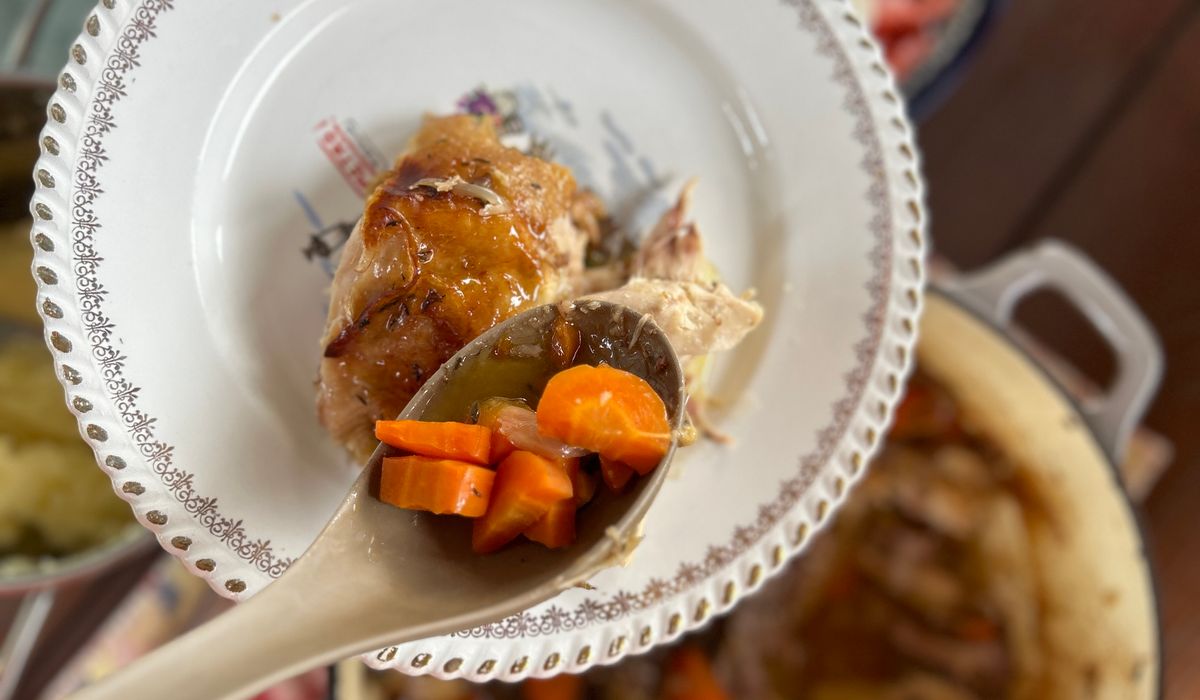
The Sunday roast is less a recipe than a piece of choreography. Get the order of operations right and it becomes one of the most relaxed meals you can cook at home: a joint doing its thing in the oven, potatoes crisping beneath it, vegetables ticking along on the hob, and twenty minutes of enforced rest at the end when everything comes together. The trick is working backwards from the time you want to sit down, and using your oven's heat for more than one job at once.
What follows is the method I use most weekends, with the timings that actually matter and the small decisions that separate a good roast from a great one.
Buy the best meat you can afford and let it come up to room temperature for half an hour before it goes in. Season generously all over, and use a digital probe rather than trusting the clock alone.
Always rest the meat before carving: 20 minutes for a chicken, 30 for a large joint, tented loosely with foil in a warm place. This is not optional. The juices redistribute, the meat relaxes, and the roasting tin stays free for the gravy.
Maris Pipers or King Edwards give you the fluffy interior and shattering exterior you want. Peel and cut into even halves or quarters, then rinse off the surface starch.
Season with flaky salt as they come out of the oven, not before.
For the batter, use equal volumes of egg, milk and plain flour — roughly four eggs, 200ml milk and 140g plain flour, with a good pinch of salt. Whisk until smooth and let it rest at room temperature for at least 30 minutes. Hot fat and cold batter is the classic advice; rested batter and a properly preheated tin matters more.
Pour a centimetre of oil into a deep tin or muffin tray and heat at 220°C until it is almost smoking. Pour the batter in and do not open the oven door for 20–25 minutes. They will rise, and they will collapse if you interfere.
For vegetables, keep it to two or three done properly rather than five done badly:
Shop the seasons: roots and brassicas from October through March, new potatoes and purple sprouting broccoli in spring, runner beans and broad beans in summer.
Once the meat is resting, put the roasting tin on the hob over a medium heat. Spoon off most of the fat, leaving about two tablespoons. Sprinkle in two tablespoons of plain flour and cook it out for a minute or two, scraping up the sticky bits.
Add a splash of wine, cider or a spoonful of redcurrant jelly, let it bubble down, then pour in hot stock gradually, whisking as you go. Simmer for 5–10 minutes until it coats the back of a spoon, then stir in any juices that have collected under the resting meat. Season, and strain if you like it silky.
Work backwards from serving time. The joint goes in first. Potatoes join it when there's about 50 minutes left. Yorkshire batter goes into its hot tin the moment the meat comes out to rest, at which point the oven is free and hot. Vegetables cook in the last 15 minutes, gravy in the last 10. Carve, pile everything onto warm plates, and sit down while the potatoes are still crisp.


We are not gonna make spamming
