
Sophie's Kitchen shares practical, down-to-earth guidance on british home cooking, seasonal recipes, and restaurant-inspired dining for readers across the UK.
- 0123456789
- Angle Bd Abdelmoumen & rue soumaya, Résidence
- [email protected]
Sophie's Kitchen shares practical, down-to-earth guidance on british home cooking, seasonal recipes, and restaurant-inspired dining for readers across the UK.
 By Emily Hartley
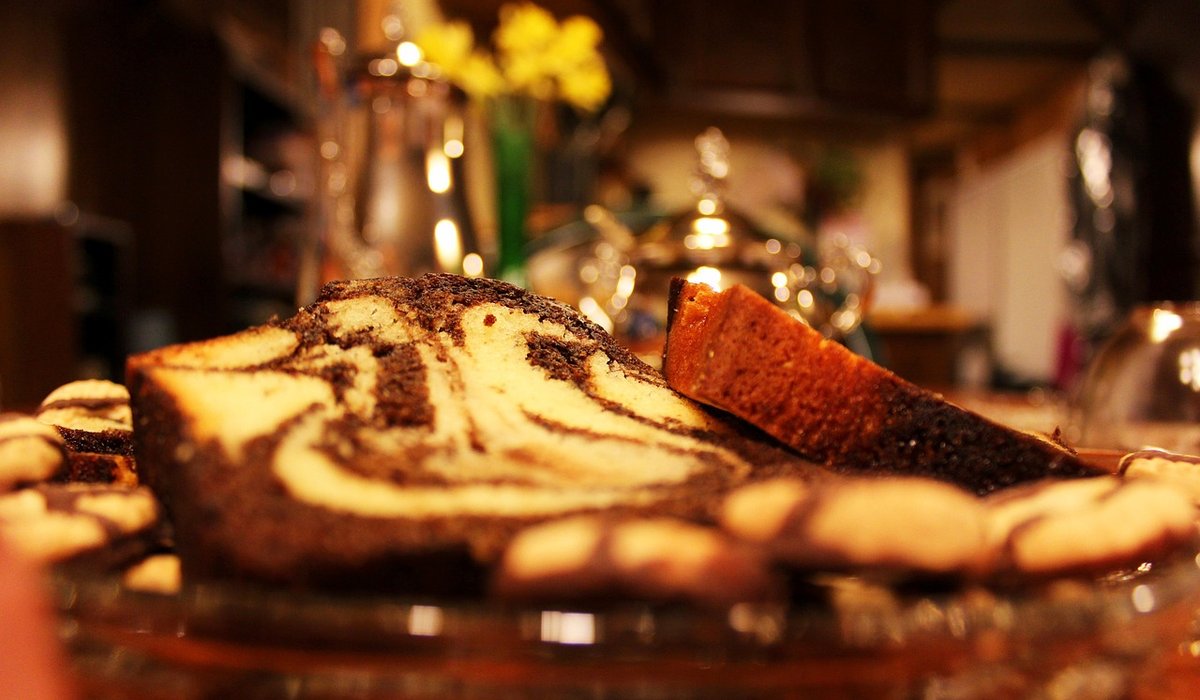
Sticky toffee pudding is the quiet hero of British home cooking. It appears on pub menus from Cornwall to the Highlands, turns up at Sunday lunches and Christmas tables, and yet it remains one of the easiest puddings you can make in your own kitchen. There is nothing fussy about it. A dark, date-flecked sponge, a toffee sauce made in a single pan, and a generous pour at the table. That is the whole trick.
What makes it so satisfying is the contrast: a sponge that is damp and treacly rather than light and airy, paired with a warm sauce that soaks in rather than sits on top. Get those two things right and you have a pudding that feels like a restaurant plate but costs very little to make.
You cannot skip the dates, and you should not try to hide them. They are what keep the sponge moist and give it that deep, almost molasses-like flavour. Roughly chop 200g of pitted dates — kitchen scissors are quicker than a knife and less sticky — and put them in a heatproof bowl.
Pour over 200ml of boiling water and stir in 1 teaspoon of bicarbonate of soda. It will fizz and foam, which is exactly what you want. Leave it for 10 minutes. The bicarb softens the dates and helps the sponge darken and rise as it bakes. If you want a little extra depth, replace 50ml of the water with strong black tea or a spoonful of dark rum.
Heat the oven to 180°C (160°C fan, gas mark 4). Grease and line a 20cm square tin, leaving the parchment hanging slightly over two sides so you can lift the pudding out later.
Beat 85g of softened unsalted butter with 150g of dark muscovado sugar for a full three to four minutes. Muscovado gives a proper toffee note; light brown soft sugar works but tastes paler. Add 2 large eggs one at a time, beating well between each, then stir in 1 teaspoon of vanilla extract.
Fold in 175g of self-raising flour and a pinch of salt with a large metal spoon, then tip in the soaked dates along with all their liquid. The batter will look loose and a little lumpy. Pour it into the tin and bake for 30 to 35 minutes, until the top is springy and a skewer comes out with a few moist crumbs, not wet batter. Err on the side of underbaking — a dry sticky toffee pudding is a sad thing.
Make the sauce while the pudding bakes, or in the last ten minutes. In a small heavy pan, melt 115g of butter with 115g of dark muscovado sugar and 150ml of double cream. Bring it to a gentle simmer and let it bubble for three to four minutes, stirring now and then, until it thickens enough to coat the back of a spoon.
Take it off the heat and stir in a good pinch of sea salt and a drop of vanilla. The salt is not optional — it stops the whole thing from tasting flat and sweet. If the sauce ever looks like it is splitting, pull the pan off the heat and whisk in a splash of hot water or a tablespoon of cold cream. Never boil it hard.
Serve the pudding warm, not scalding, with the rest of the sauce poured over at the table. Cold cream or vanilla ice cream is the classic pairing, and clotted cream is even better. Custard is entirely acceptable and, in many British households, non-negotiable.
For a more polished, restaurant-style finish, bake the batter in individual buttered dariole moulds for 20 to 22 minutes, turn them out onto plates and spoon the sauce around rather than over. A few toasted pecans or a grating of orange zest over the top adds a little lift.
Once you have made it a couple of times, you will start adapting it. A spoonful of chopped stem ginger in the batter, a swap of half the dates for prunes, a splash of whisky in the sauce. It serves eight to ten people comfortably, which makes it a reliable choice for Bonfire Night, a cold January Sunday, or any celebration that deserves a proper British pudding.


We are not gonna make spamming
